

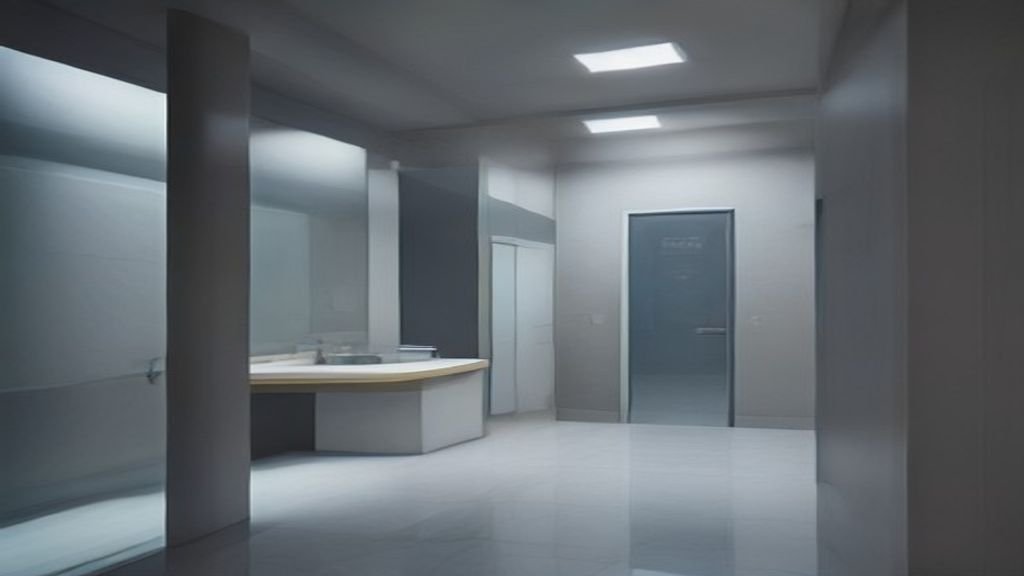
Healthcare Design Trends: Patient-Centered Hospital Planning
By ACCO · Jun 29, 2026 · 5 min read
For decades, hospital design prioritized clinical efficiency above almost everything else — shortest distance between departments, maximum bed density, minimum circulation space. Those priorities haven't disappeared, but they're increasingly balanced against a growing body of evidence that a patient's physical environment affects recovery outcomes.
Natural daylight in patient rooms, for example, is now understood to reduce recovery time and patient-reported pain levels in multiple clinical studies. Clear, intuitive wayfinding reduces stress for patients and visiting families navigating an unfamiliar building during an already difficult time.
On our Riverside Medical Center project, we designed the outpatient department with a single, legible circulation spine rather than a maze of connecting corridors, specifically to reduce the anxiety patients often feel navigating an unfamiliar healthcare facility.
The challenge for healthcare architects is balancing these patient-centered priorities against the hard clinical requirements of infection control, staff efficiency, and equipment access — priorities that don't always point in the same direction. Getting that balance right is, increasingly, what separates good healthcare design from merely functional healthcare design.